
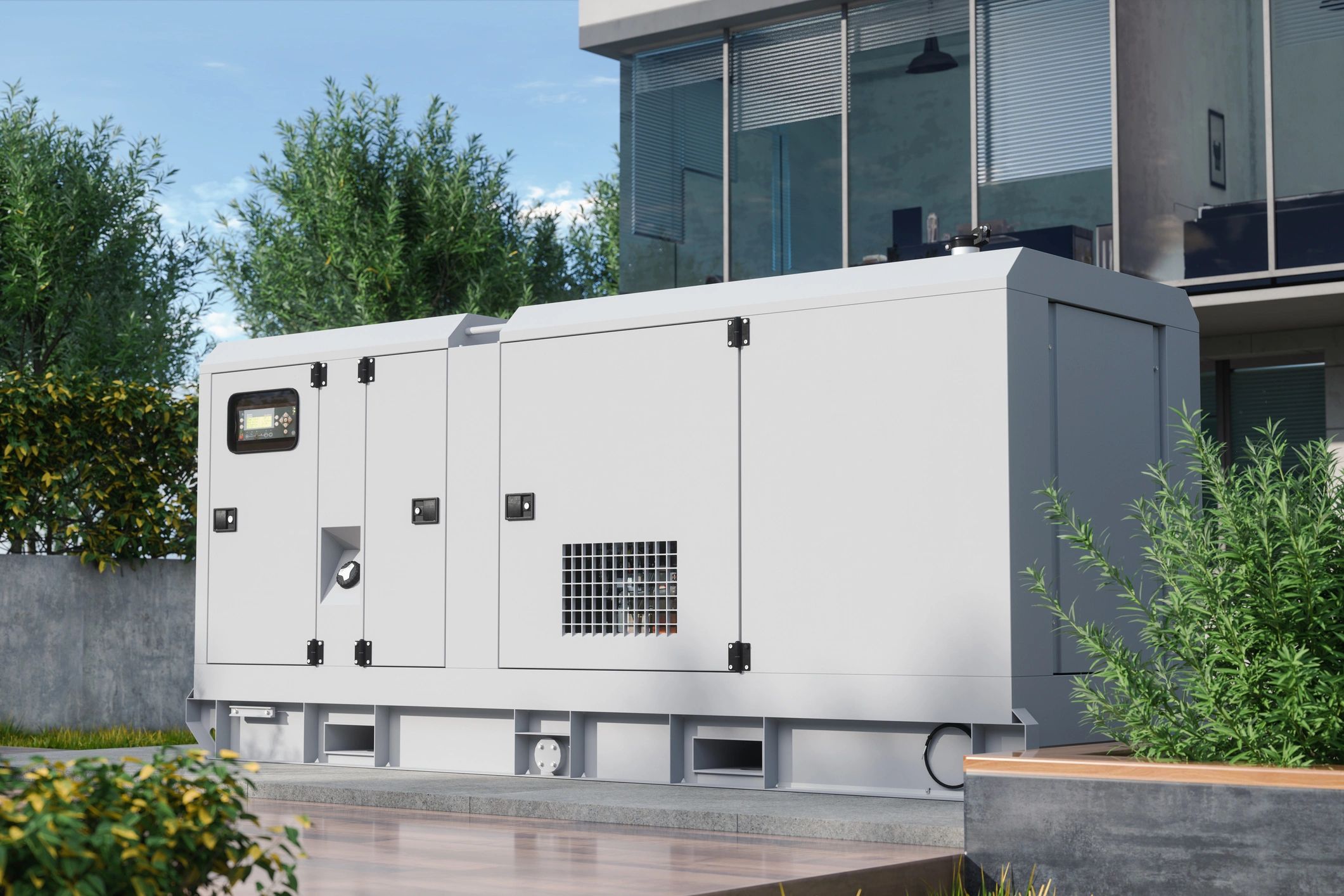
Extreme weather events are occurring with greater frequency and intensity, and the communities and facilities in their path need to be better prepared than ever before. For tribal governments, casinos, healthcare facilities, and commercial operations in storm-prone regions, commercial generators built to withstand and perform through hurricane conditions are not optional equipment. They are the infrastructure that determines whether a facility remains operational or shuts down when the storm arrives. Understanding what storm-resilient generator specifications look like is the first step toward protecting your facility.
What Storm Resilience Actually Requires in a Generator System
A generator that starts up easily on a calm, dry day may perform very differently in the middle of a hurricane. Storm-resilient generator specifications account for enclosure wind ratings, flood elevation requirements, fuel system integrity during extended outages, and the ability to operate for days rather than hours without refueling. Beyond the equipment itself, the transfer switch configuration, the fuel storage capacity, and the installation location all contribute to whether the system actually delivers power when the weather is at its worst.
Common Vulnerabilities in Generator Systems During Storm Events
Facilities that experience generator failures during storms often discover the problem was not the generator engine itself but rather a secondary system failure. Common vulnerabilities include:
- Below-grade fuel tanks or connections that flood during storm surge
- Insufficiently anchored enclosures that sustain damage in high winds
- Transfer switches installed without adequate weather protection
- Inadequate fuel supply for extended grid outages lasting several days
- Battery systems that fail to start the engine after sitting in extreme heat or humidity
How Proper Specification Prevents Storm-Related Generator Failures
Working with an experienced distribution partner at the specification stage is how these vulnerabilities get addressed before they become emergencies. Catawba Power and Lighting brings infrastructure-level expertise to generator sourcing for storm-prone facilities, helping clients identify specifications that address real-world storm conditions rather than simply meeting minimum code requirements.
Generac generators and Their Storm Application Track Record
Generac generators have been deployed extensively in hurricane and storm-prone regions throughout the southeastern and gulf coast United States, areas where tribal communities are often concentrated. Their standby units are available with NEMA 3R rated enclosures designed for outdoor installation in wet, windy conditions. Their commercial and industrial product lines include units with extended fuel tank options and remote monitoring systems that allow facility teams to check generator status without being physically present at the site during a storm. That remote visibility is particularly valuable when storm conditions make site visits dangerous.
Tribal Community Resilience and the Generator Infrastructure Connection
Tribal communities in storm-prone areas face a compounded challenge. Many are located in coastal or low-lying areas with higher storm vulnerability, and grid restoration after major storms tends to take longer in rural tribal territories than in urban areas. Furthermore, tribal governments often serve as emergency management coordinators for their entire community during disaster events. Having generator infrastructure that keeps government facilities, healthcare services, and shelter operations running throughout a multi-day outage is genuinely a matter of community survival. Catawba Power and Lighting supports tribal emergency preparedness through the same combination of native preference procurement and specification-grade equipment that drives all of their work.
Building a Storm Resilience Generator Plan Step by Step
- Identify all facilities that must remain operational during and after a storm event
- Conduct load analyses that account for both critical and sustained operational loads
- Specify generator enclosures and installation configurations appropriate for local storm risks
- Plan fuel storage for a minimum of 72 to 96 hours of continuous runtime
- Test the complete system under load conditions before storm season begins each year
Conclusion
Storm resilience is not achieved by simply purchasing a generator and hoping it works when needed. It is built through careful specification, proper installation, fuel planning, and ongoing testing of every component in the backup power system. For tribal governments, casinos, and commercial facilities in storm-prone regions, investing in properly specified commercial generators through an experienced native-owned distribution partner is one of the most important infrastructure decisions you can make before storm season arrives.










Leave a Reply