

Every child light up when they step into a place built just for them. A good play space isn’t only about fun—it’s about sparking imagination, encouraging movement, and creating memories. Indoors or outdoors, play matters, but when weather or space gets in the way, designing an indoor area becomes the perfect solution. With the right approach, kids indoor play area design transforms plain rooms into magical hubs where laughter and learning come together.
Why Kids Indoor Play Area Design Matters?
Children thrive in environments that are playful, safe, and stimulating. A well-thought-out play area provides more than entertainment; it fosters development in motor skills, social interaction, problem-solving, and creativity. When designers put intention into layout, colors, and features, kids naturally engage longer and more meaningfully.
Parents also breathe easier knowing their children are in a secure space with padded flooring, rounded edges, and age-appropriate activities. For businesses like family entertainment centers, schools, and daycare facilities, an appealing play area also creates an inviting atmosphere that keeps families coming back.
Essential Elements of a Great Play Space
When designing for children, every detail counts. The layout should maximize space without feeling crowded, equipment should encourage different types of play—from climbing and crawling to pretend play and quiet corners—and the atmosphere should feel welcoming. Bright colors spark energy, while themed designs (like jungles, castles, or space adventures) inspire kids’ imaginations.
Adding variety matters too. A mix of slides, tunnels, ball pits, and interactive panels ensures every child finds something they love. Spaces designed for toddlers should have softer, lower equipment, while older children benefit from more challenging climbing or obstacle features.
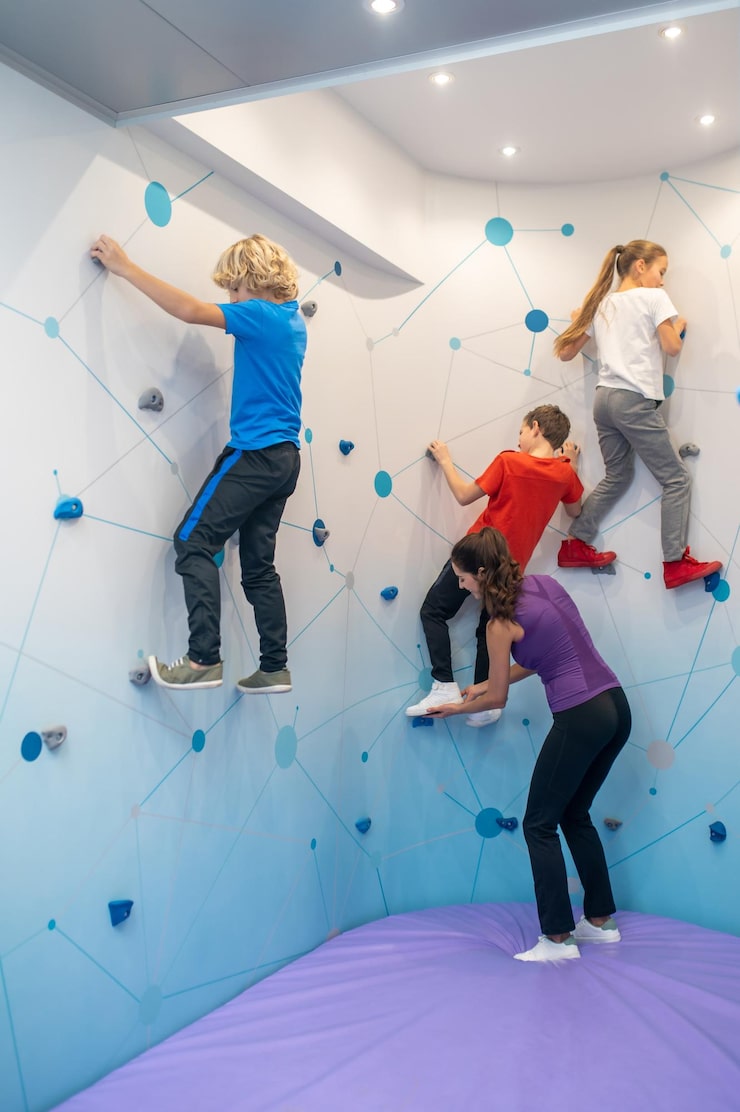
Designing With Purpose
How to Create the Perfect Kids Indoor Play Area Design?
The best play areas start with understanding who they’re for. Is the space being built for toddlers in a daycare, young children in a school, or families in a commercial center? Once that’s defined, the design can cater to their developmental stage and needs.
Lighting, ventilation, and even soundproofing also play important roles—nobody enjoys a play area that feels too dark, too hot, or overwhelmingly loud. Safety standards must be prioritized at every stage, ensuring materials are durable, non-toxic, and easy to maintain. Ultimately, the most successful designs blend functionality with creativity, creating a place where kids never want to leave and parents feel at ease.
More Than Just Play
What’s magical about these spaces is how naturally they become tools for growth. A child balancing across a bridge isn’t just playing—they’re building coordination. A group of kids pretending the slide is a rocket ship aren’t just having fun—they’re practicing storytelling and teamwork. With thoughtful design, play areas become classrooms without walls, teaching lessons disguised as games.
Conclusion: Building Worlds Kids Love
At its core, kids indoor play area design is about so much more than swings and slides—it’s about creating environments where joy and discovery flourish. When children have a safe, colorful, and imaginative space, they’re not just entertained; they’re learning, connecting, and growing in ways that last long beyond playtime.
So, whether it’s a corner in a daycare, a dedicated space in a shopping mall, or a full-scale play center, the right design can transform ordinary walls into extraordinary worlds. Because every child deserves a place where fun isn’t just allowed—it’s celebrated.




Leave a Reply